
SureKits
RFID tags for surgical instruments
Tags developed and patented by Synergy, resistant to sterilization, to identify every instrument and every box.
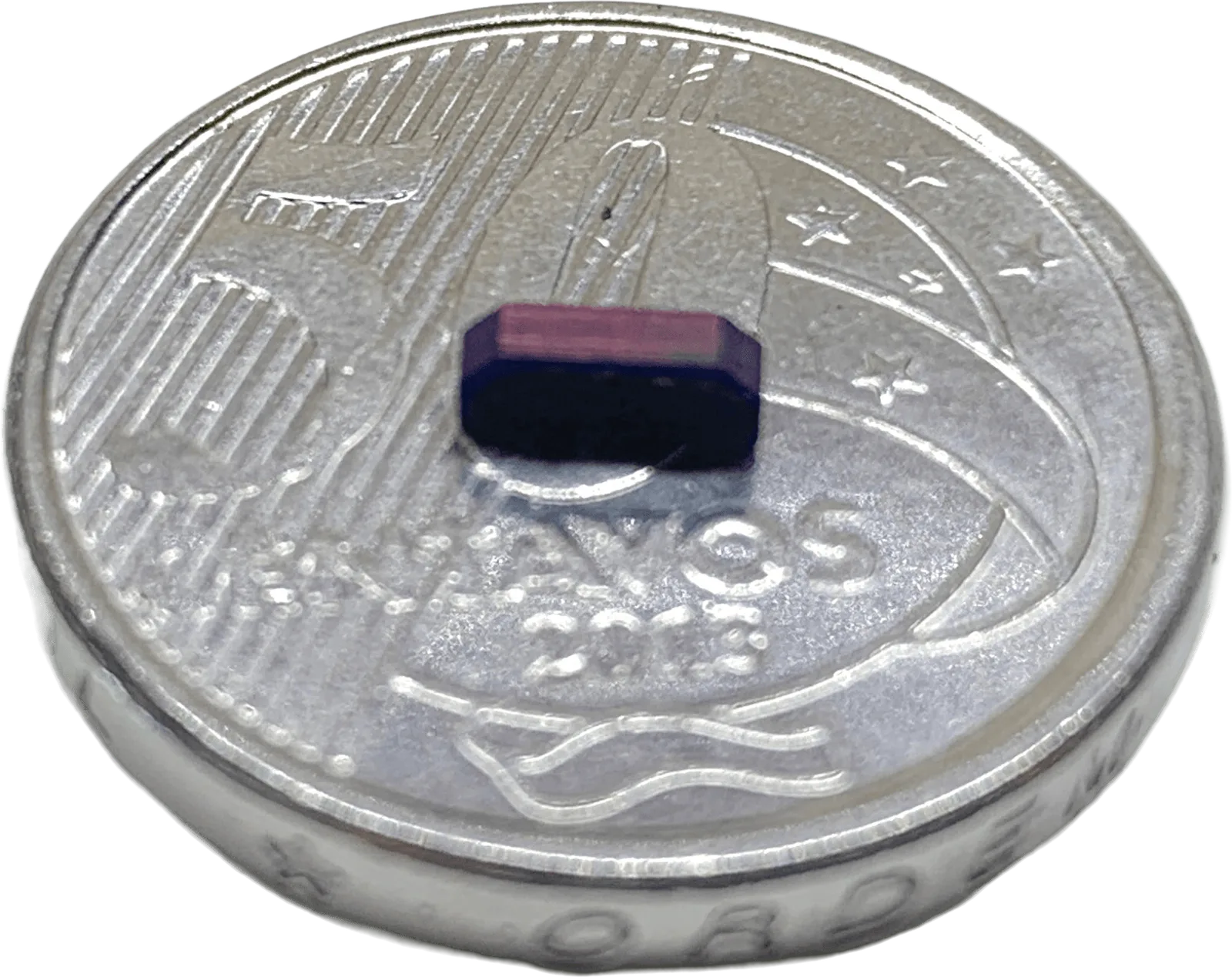
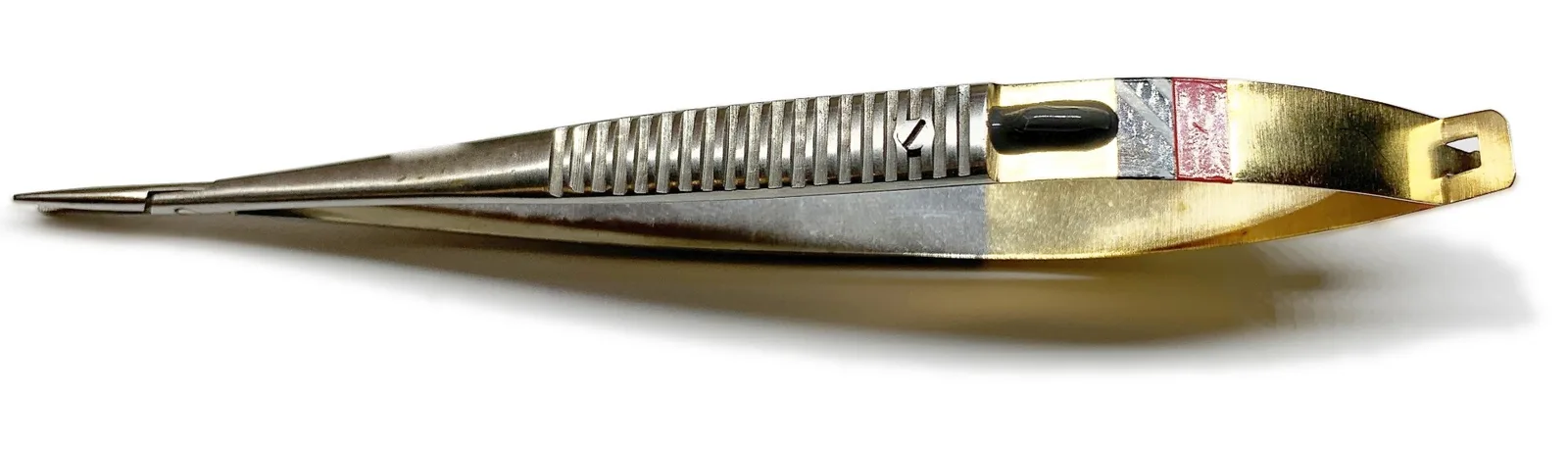
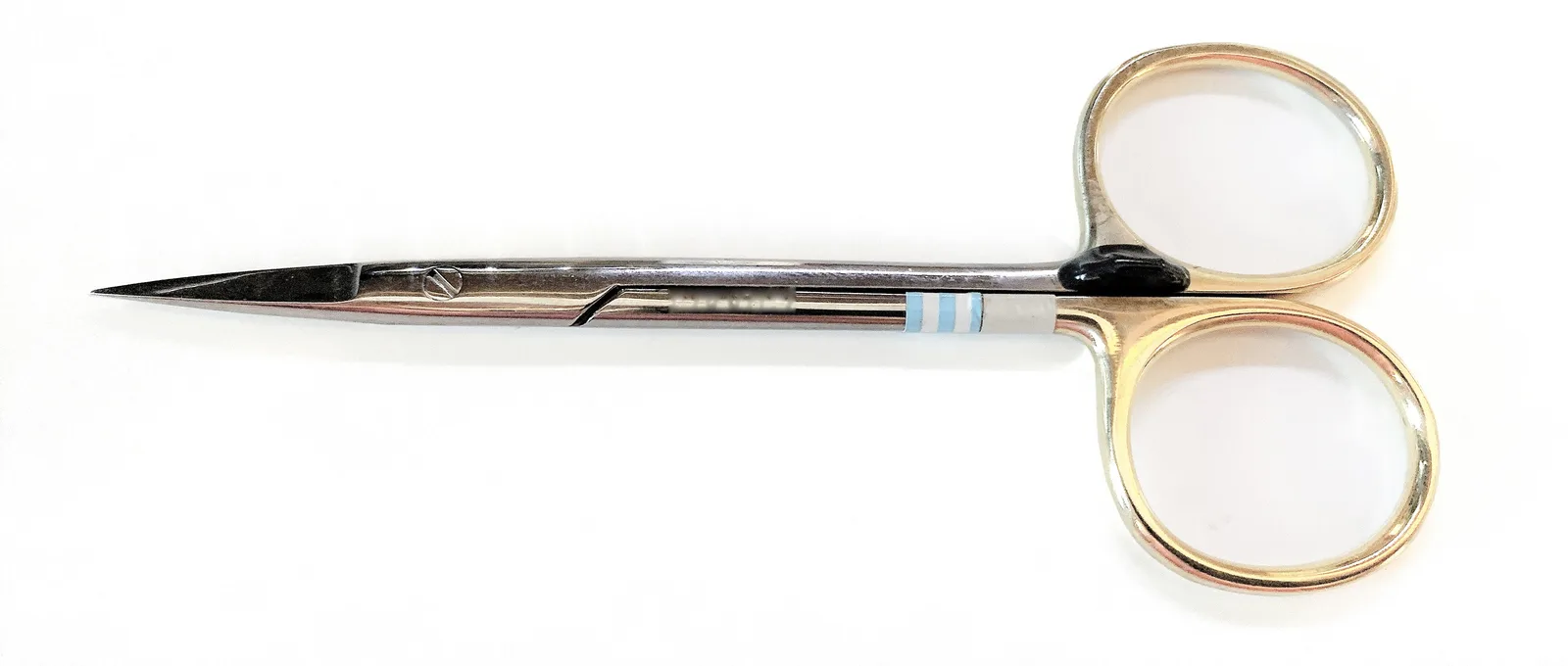
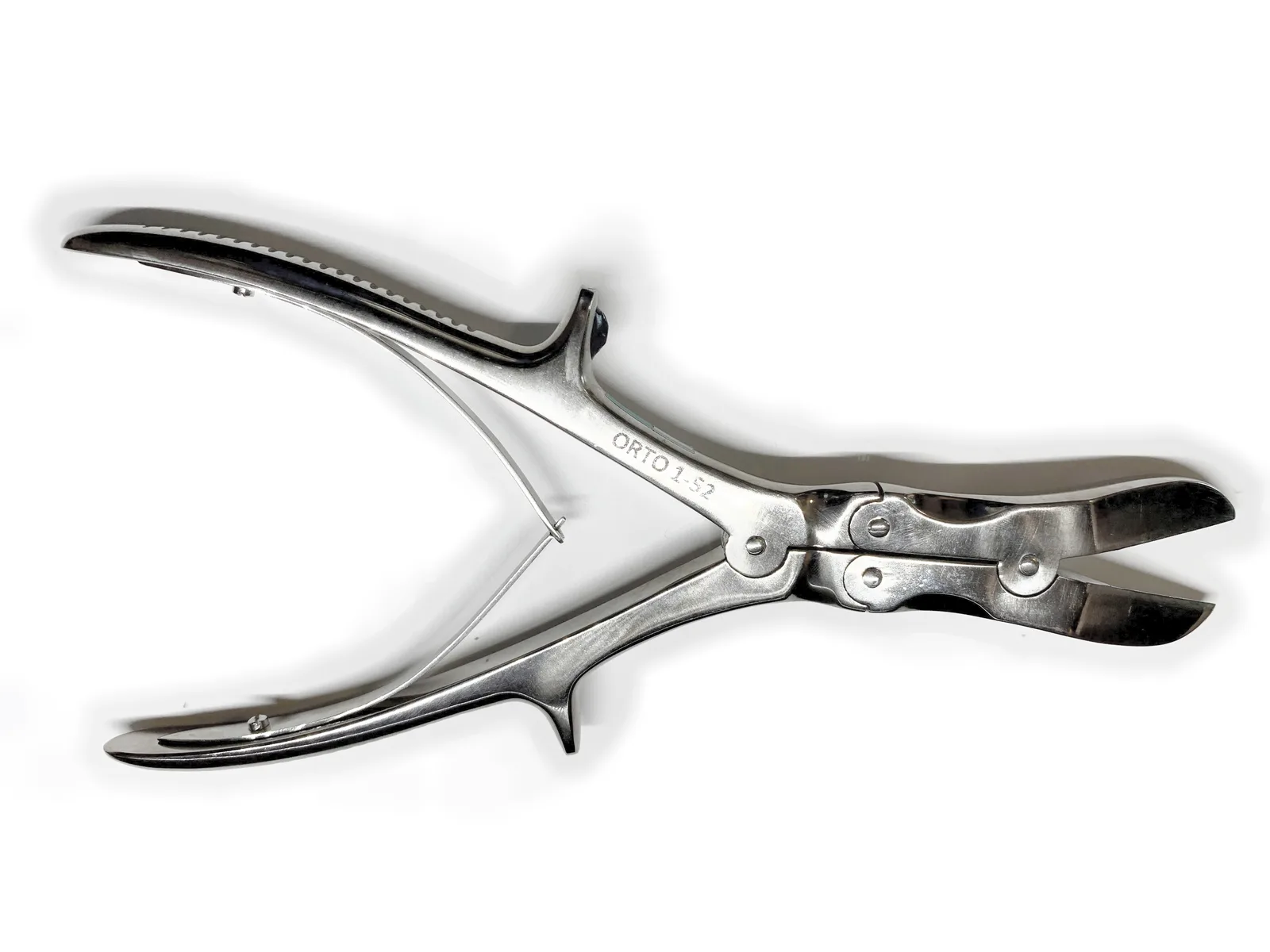
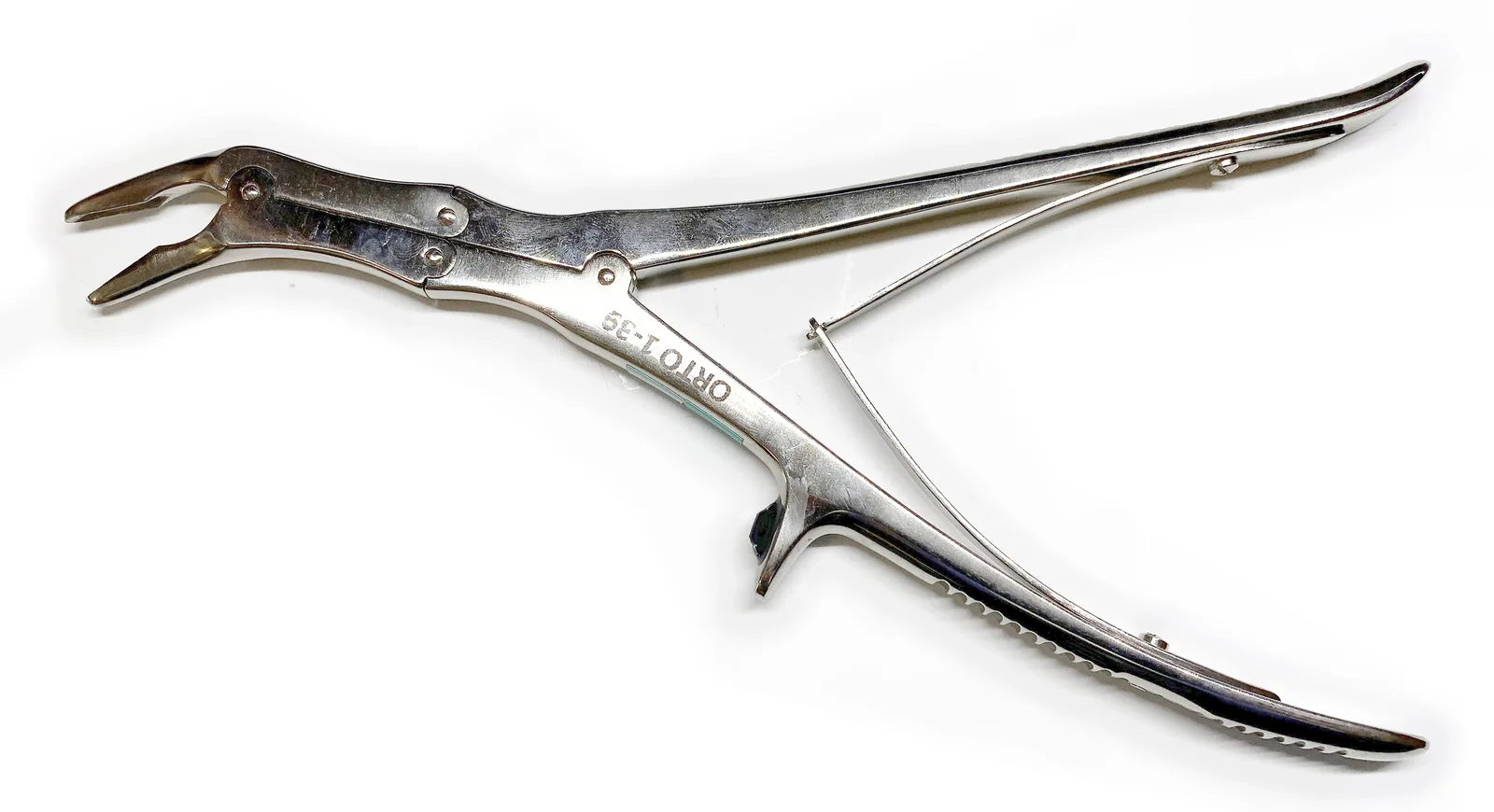
Tag for instruments
Developed and patented by Synergy Tecnologia for the individual identification of surgical instruments.
- UHF RAIN RFID Gen2 technology, with 96 bits of EPC memory
- Dimensions: 5 mm x 1.8 mm x 1.3 mm
- Read range from 10 cm to 3 m, depending on the instrument type
- Designed not to come off the instrument
- Proven to withstand more than 1500 autoclave cycles at 134 °C, plus ultrasound, thermal disinfection and Sterrad
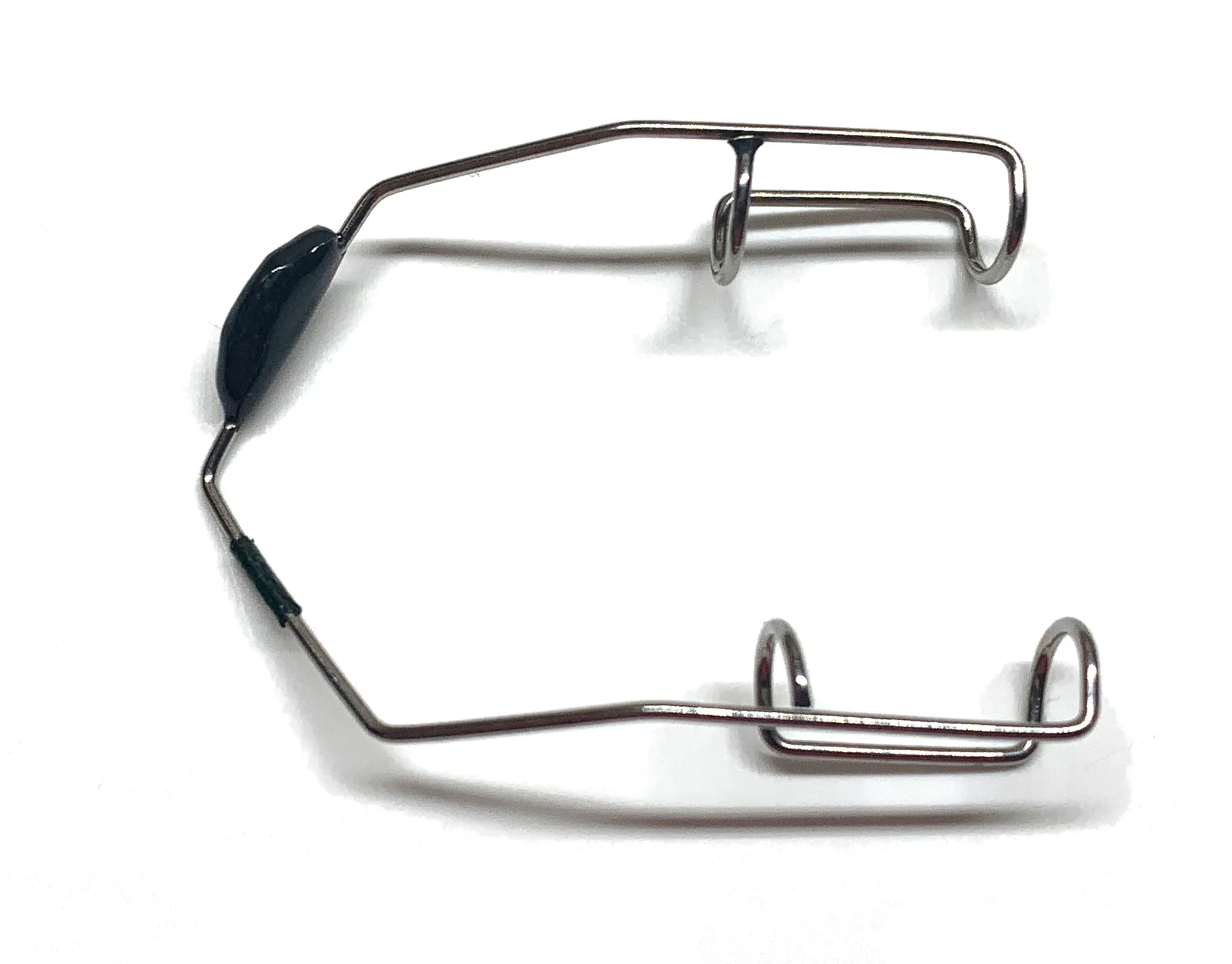
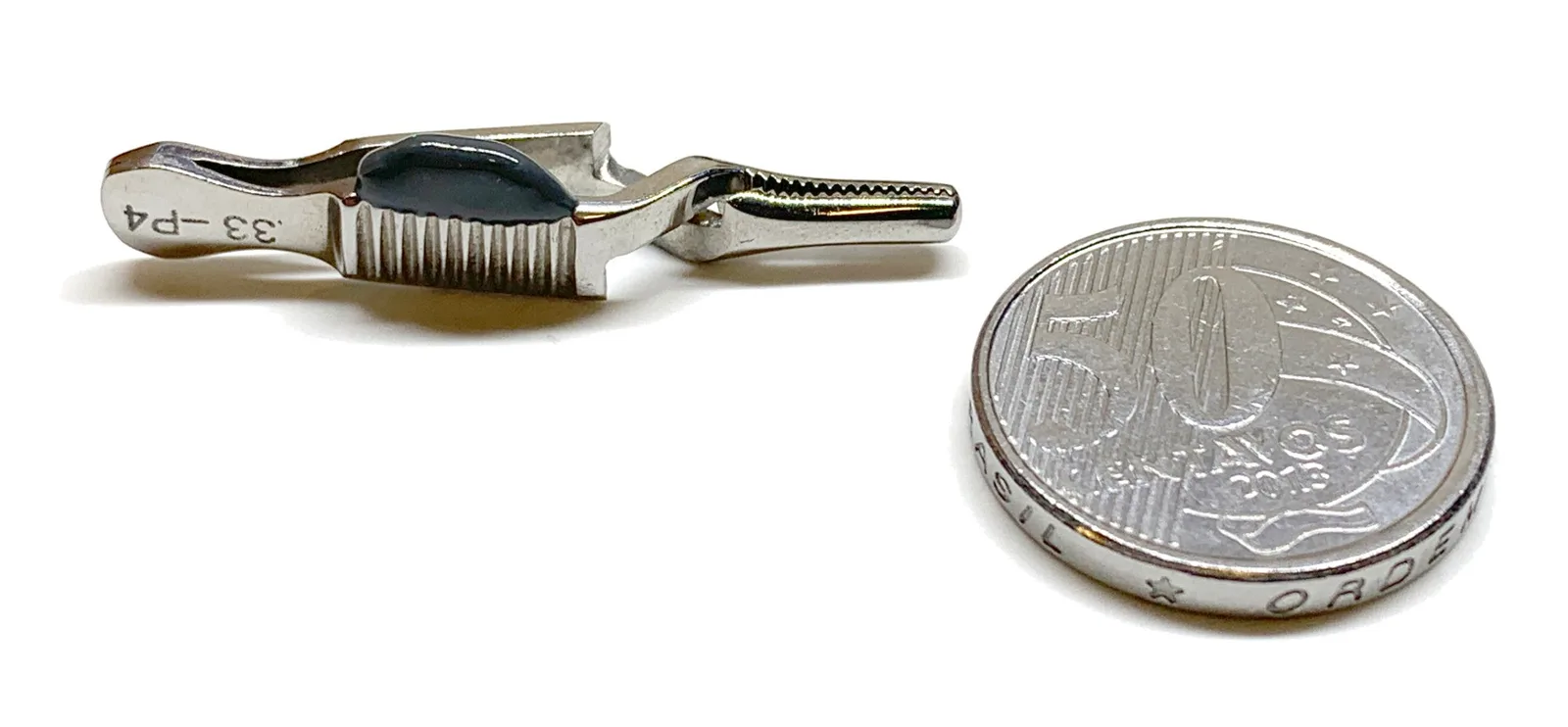
Fast, contactless reading
Reading faster than Datamatrix, with no contact or line of sight. One study measured 64 s versus 190 s for 41 instruments.
Patented so it does not come off
Patent on the tag and on the method of applying it to the instrument, so that it does not come off. It reduces the risk of a retained foreign object.
Open and video-assisted surgery
Compatible with both kinds of instruments.
Applied at the hospital itself
No instruments leave the institution: no transport cost and no surgeries canceled to apply the tags.
Tag for baskets and containers
Also developed and patented by Synergy, it identifies surgical baskets and containers and withstands sterile-processing routines.
- UHF RAIN RFID technology, with 96 bits of EPC memory and optional user memory
- Dimensions: 50 mm x 15 mm x 3 mm
- Read range from 2.5 m
- Withstands more than 1500 autoclave cycles at 134 °C, ultrasound, thermal disinfection and Sterrad
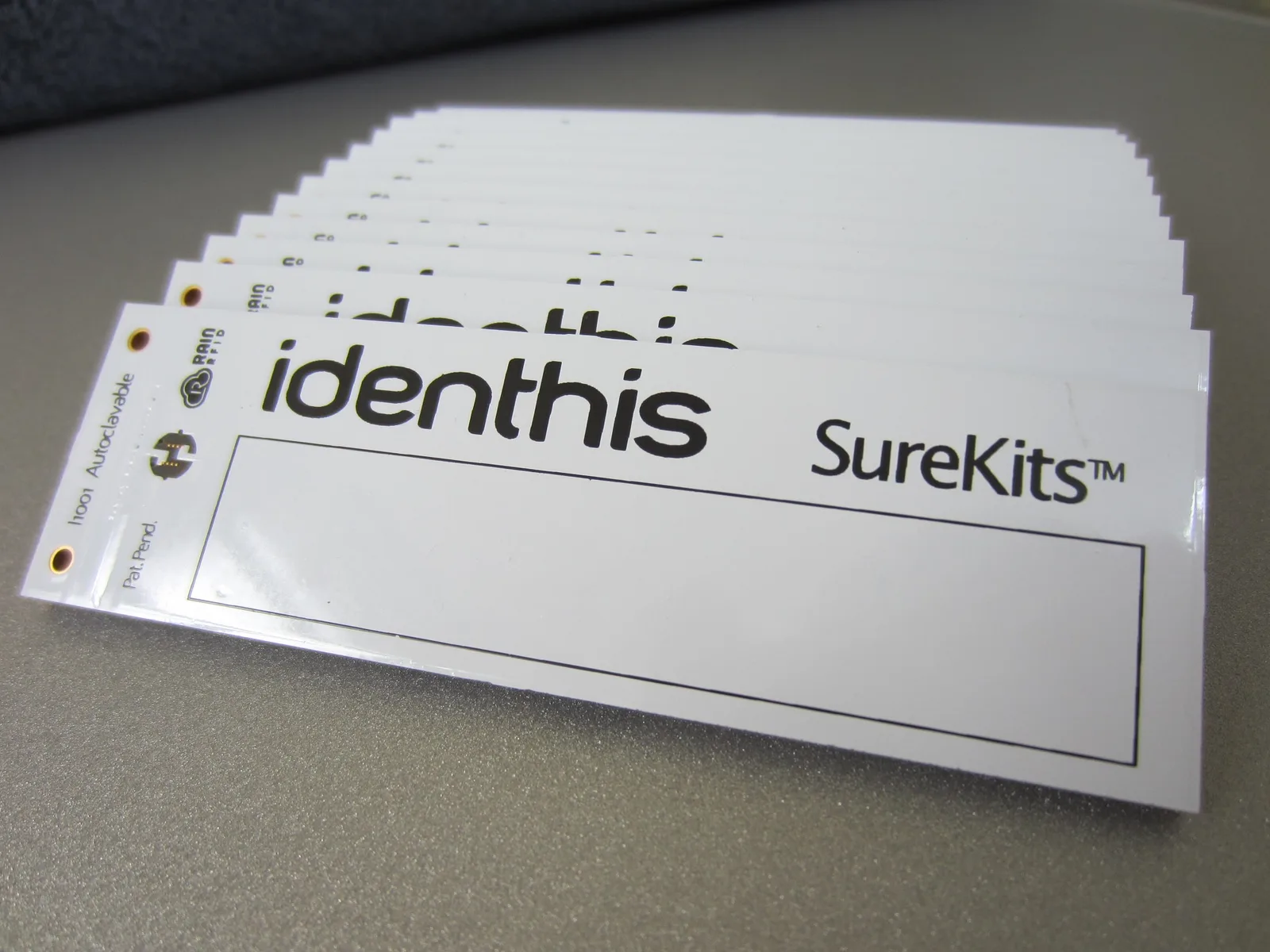
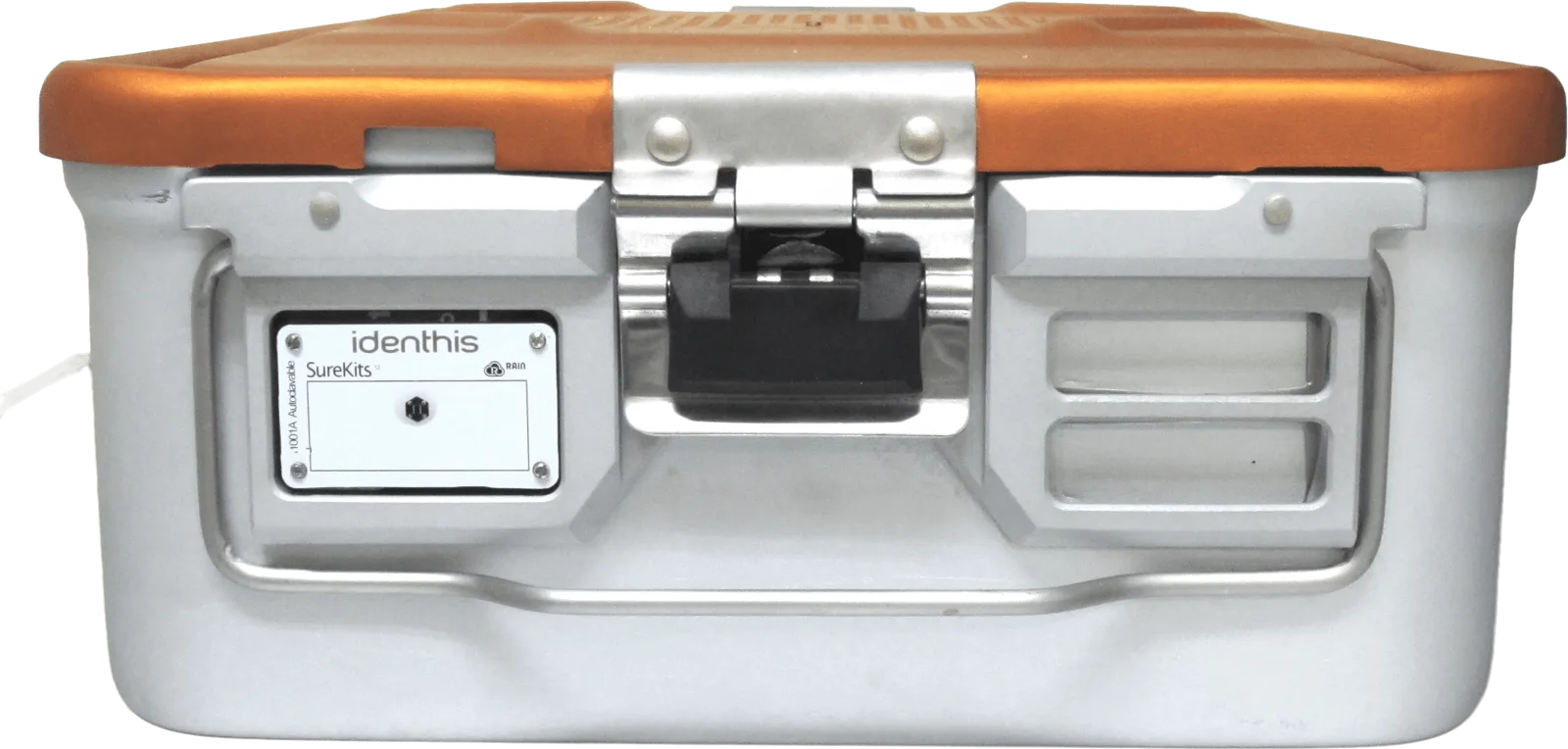
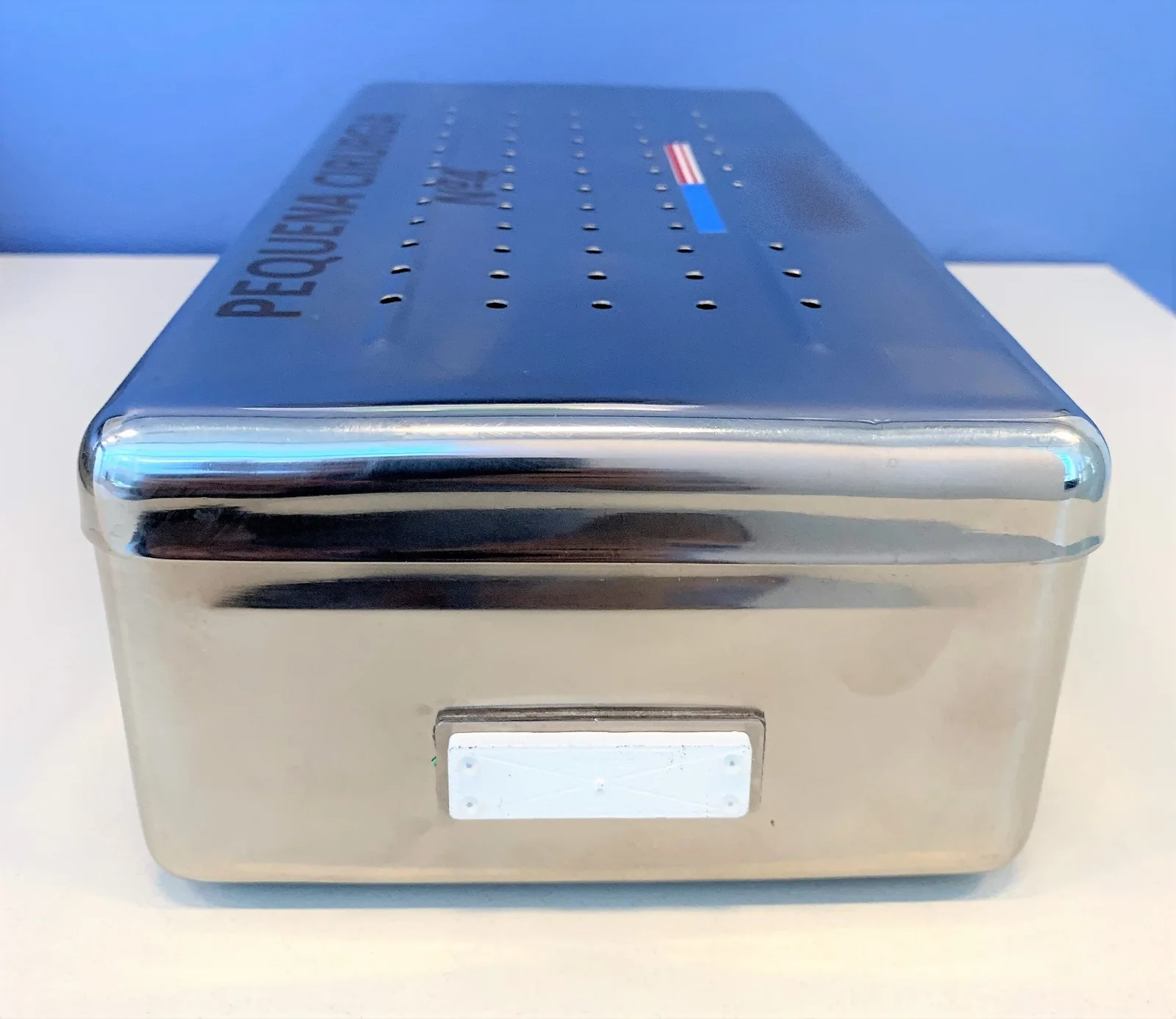
Identified baskets
The baskets that carry instruments through the washer and the sterilizer also carry a tag. The basket is identified with the load, and the instruments are read one by one, laid on a non-metallic table.
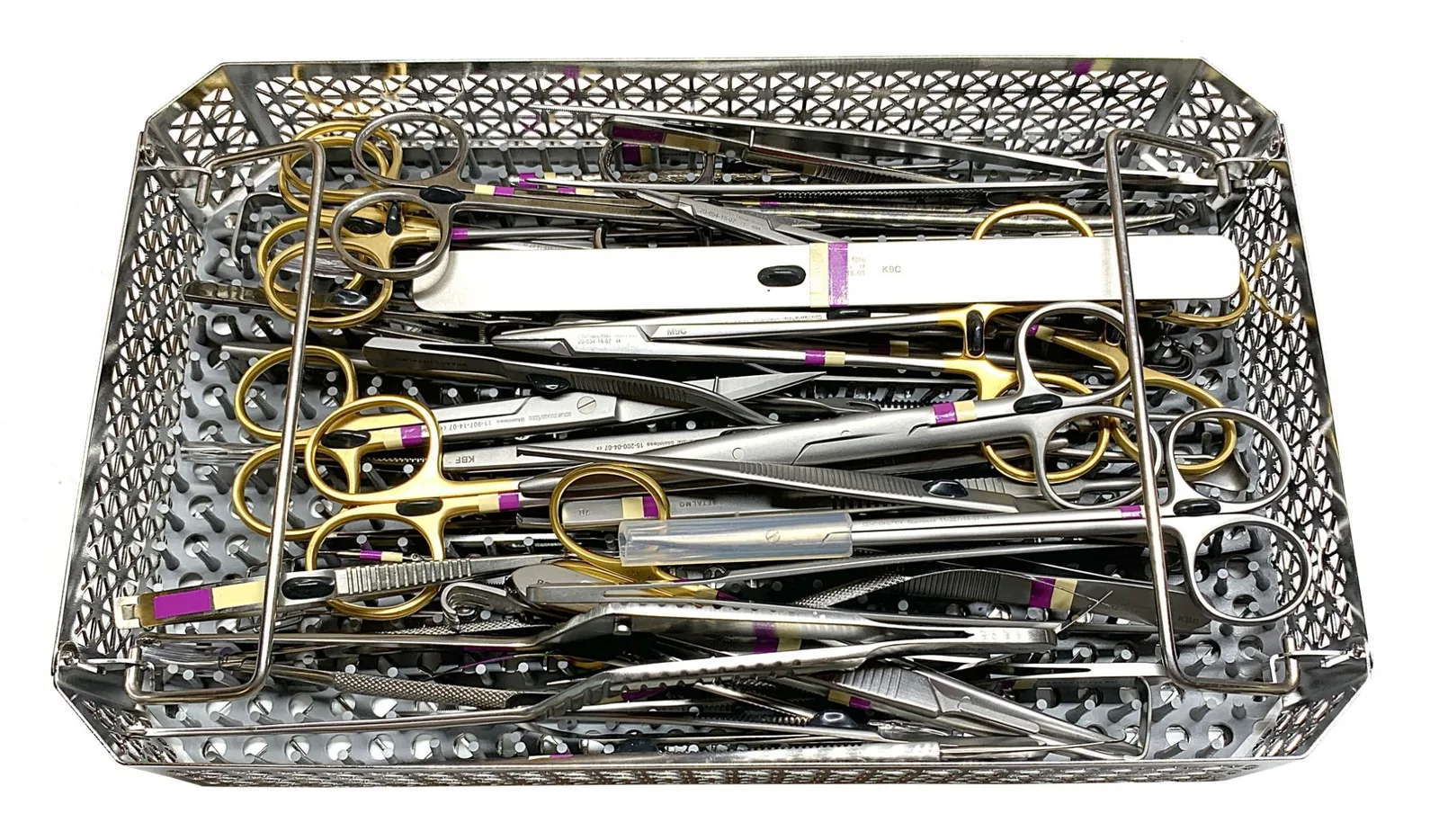
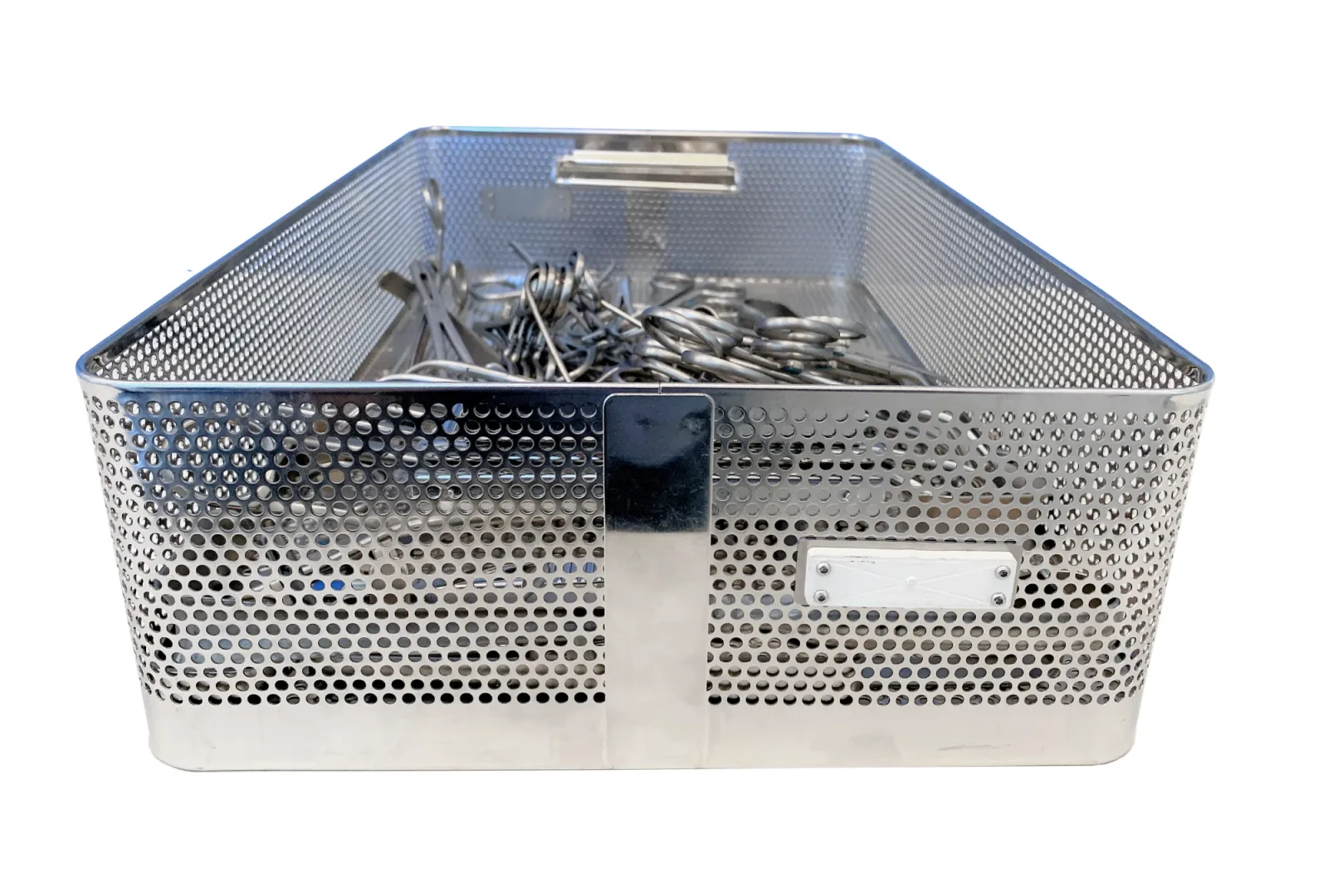
Tests and durability
The tags go through laboratory tests, including a compression test and an accelerated corrosion and aging test on specimens with tags.
Proven durability goes beyond 1500 autoclave cycles at 134 °C, and the tags withstand ultrasound, thermal disinfection and Sterrad.
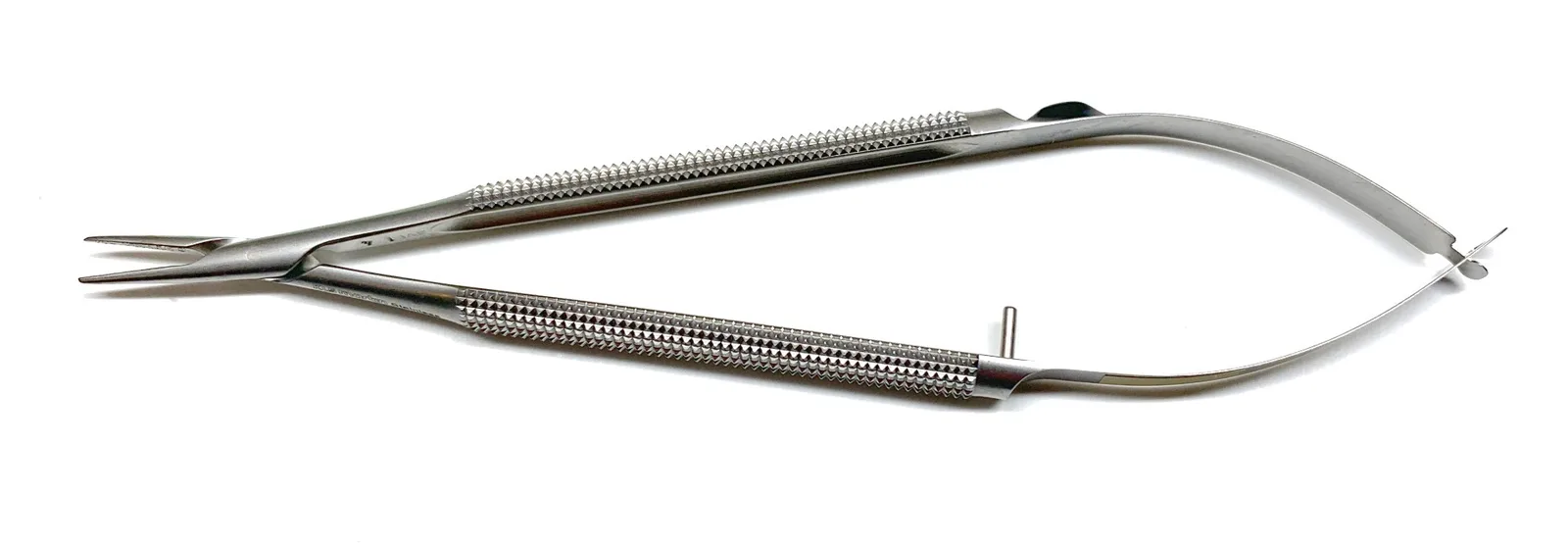
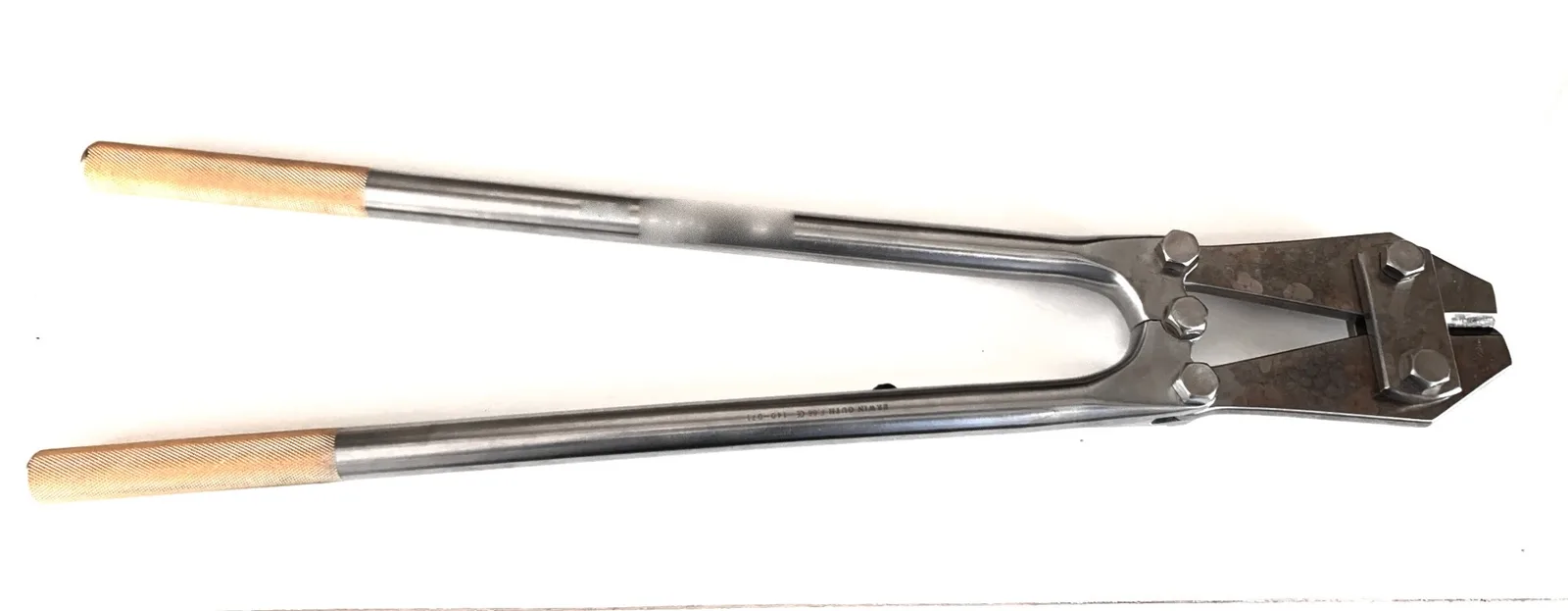
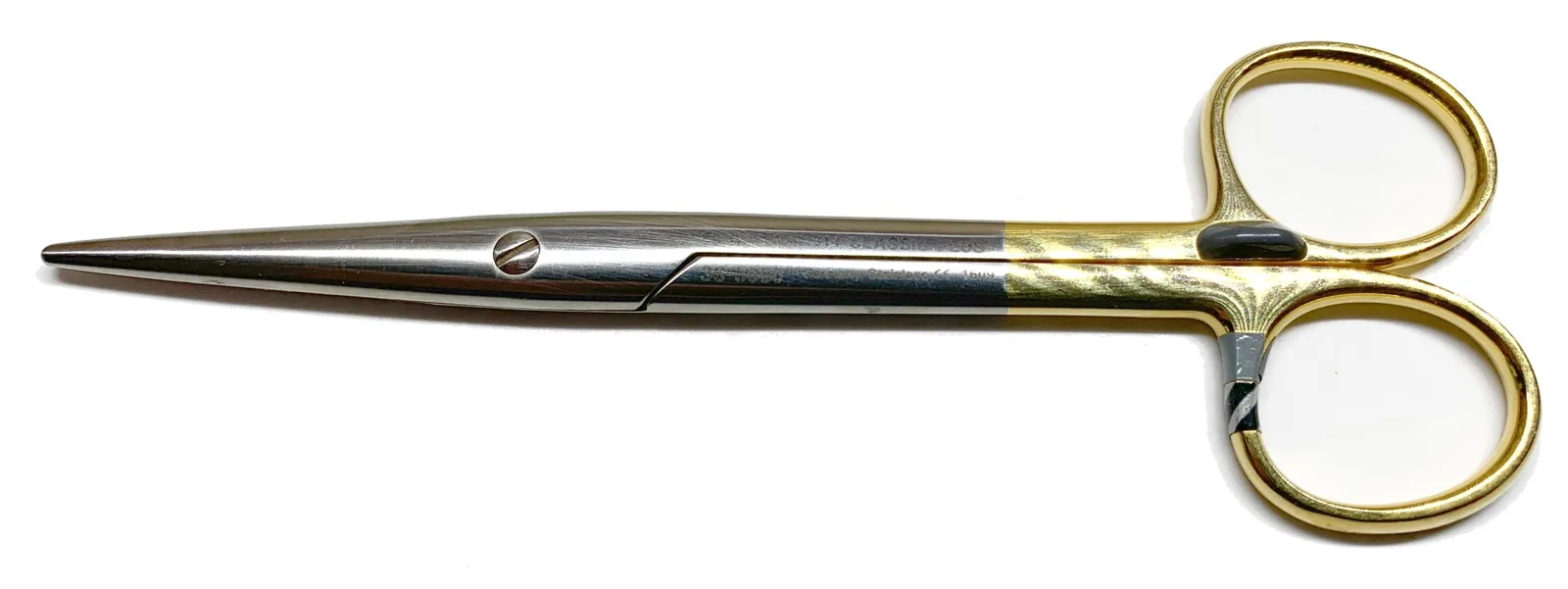
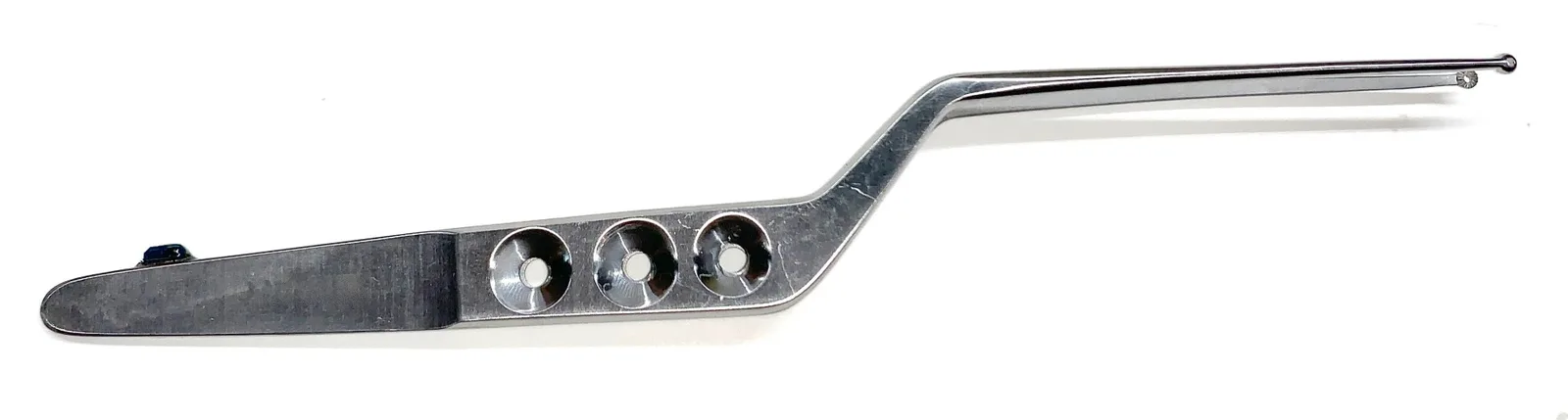
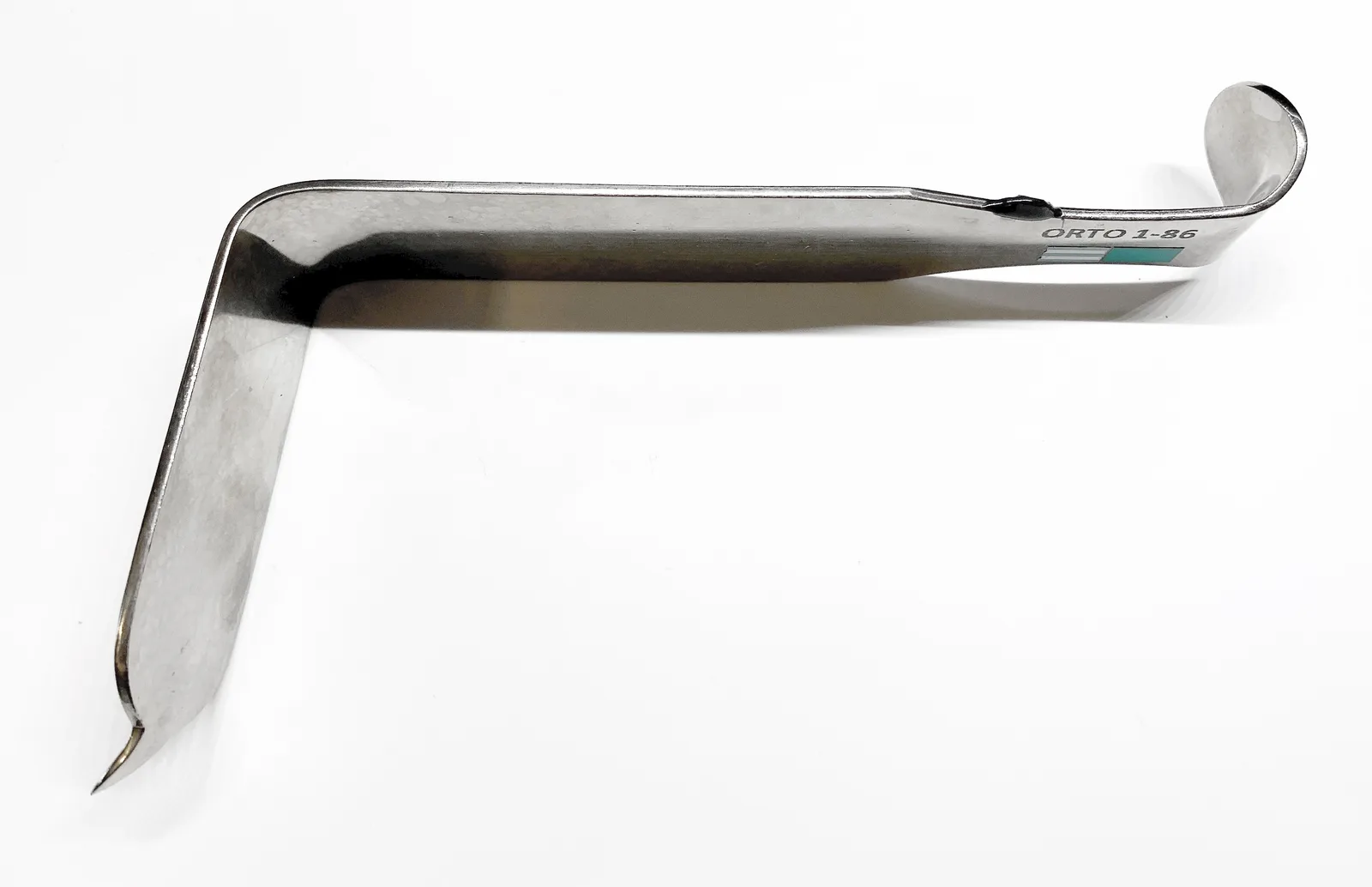
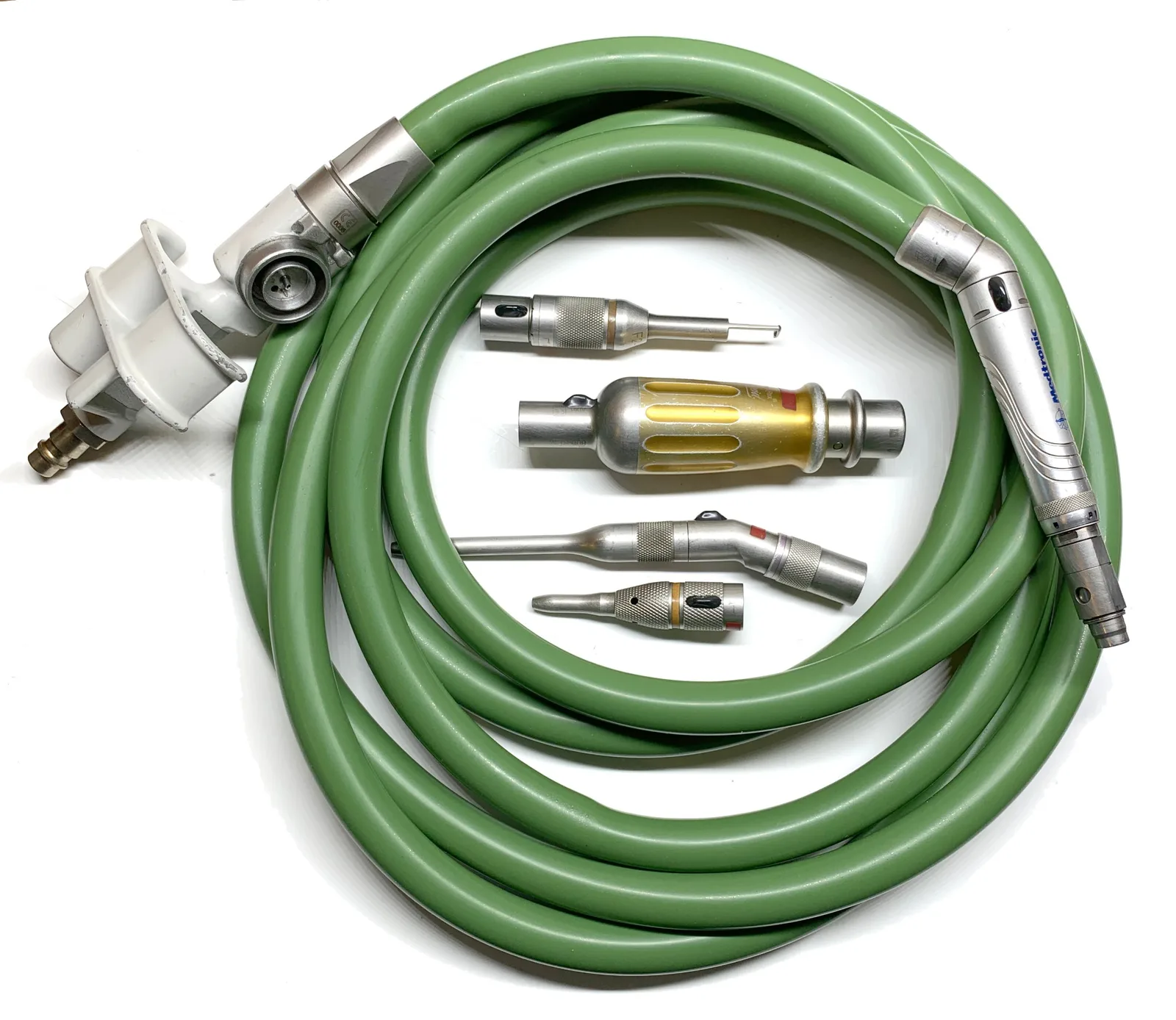
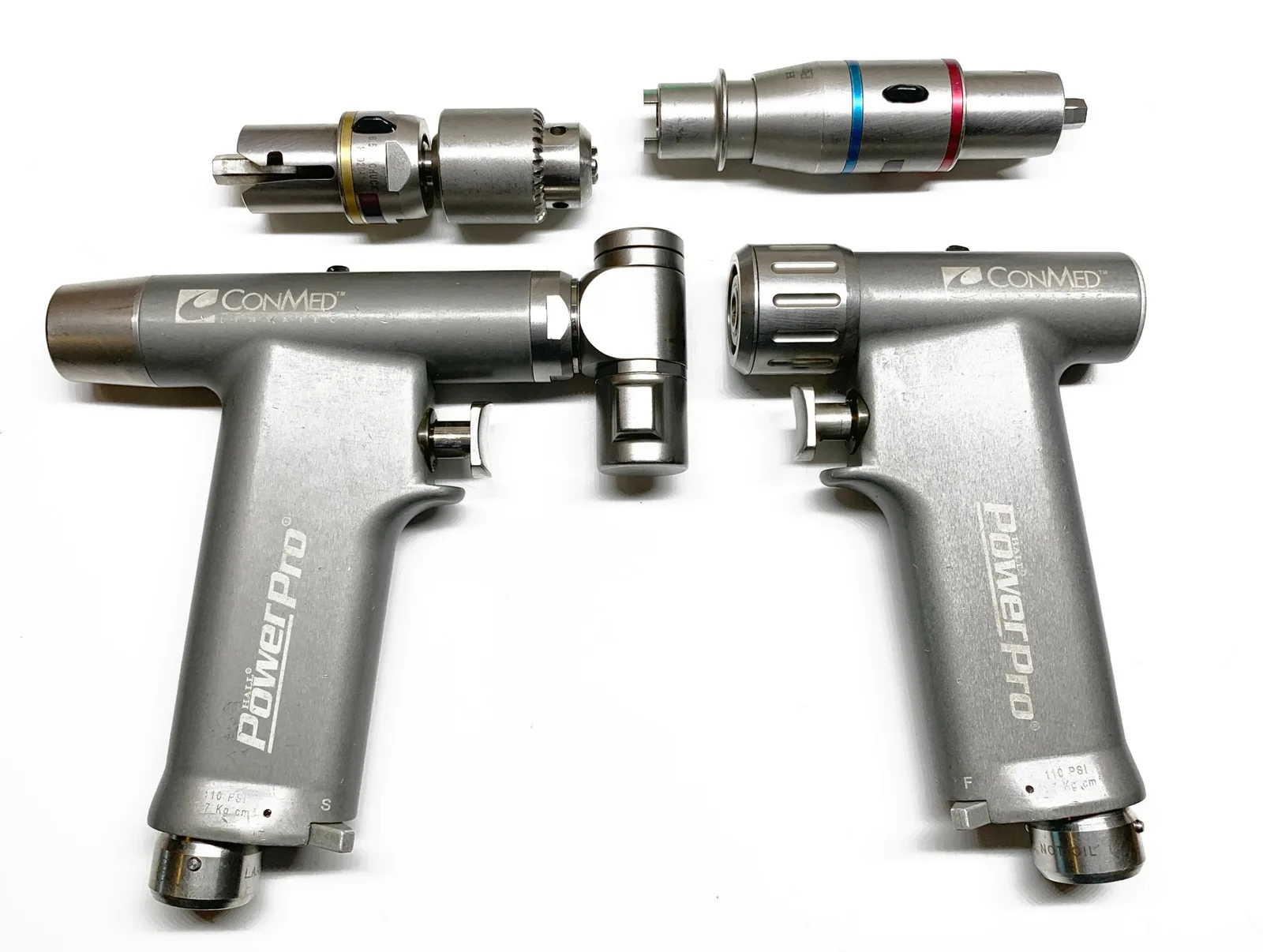
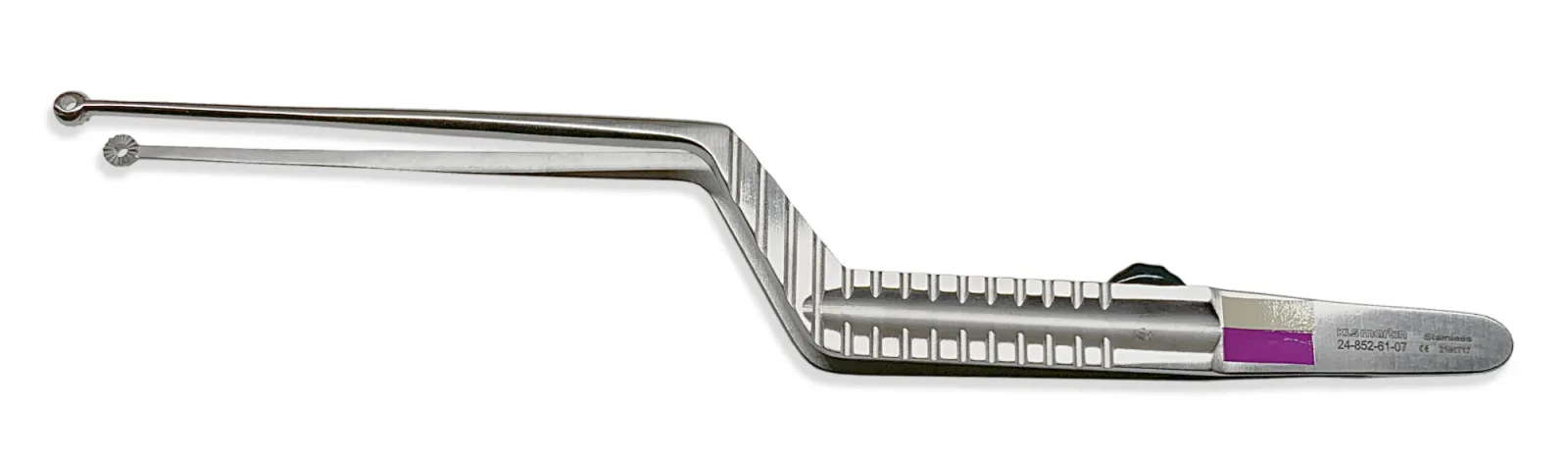
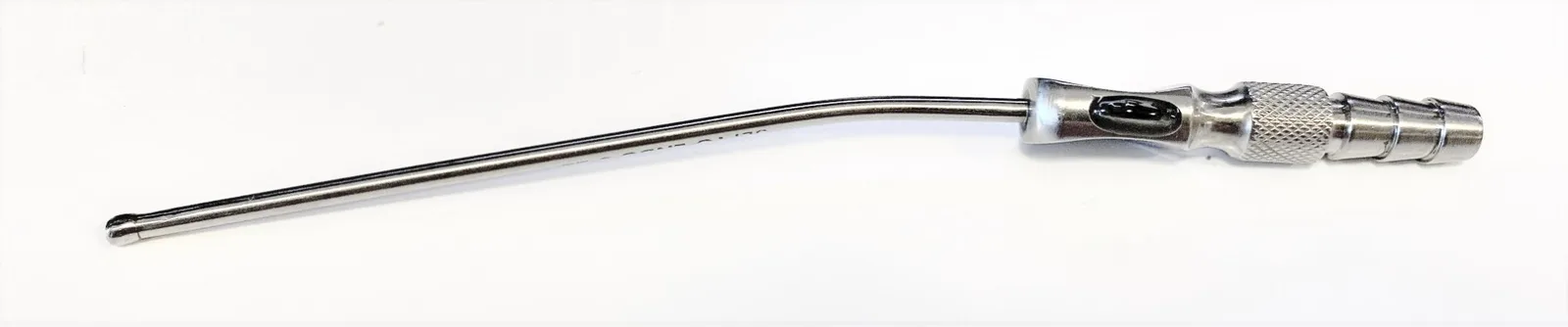
Instruments with tags






Frequently asked questions about the tags
How big is the instrument tag?
The tag is RAIN RFID UHF Gen2, with 96 bits of EPC memory, and measures 5 mm x 1.8 mm x 1.3 mm.
How many autoclave cycles does the tag withstand?
Proven resistance exceeds 1500 autoclave cycles at 134 °C. The tag also withstands ultrasound, thermal disinfection and Sterrad.
From what distance is the tag read?
The instrument tag is read from 10 cm to 3 m, depending on the type of instrument. The tag for baskets and containers is read from 2.5 m. Instruments are read one by one, laid on a non-metallic table.
Is reading faster than Datamatrix?
Yes, and with no contact or line of sight. One study measured 64 s against 190 s for 41 instruments.
Can the tag come off the instrument?
The tag and the method of applying it to the instrument are patented so that it does not come off. This reduces the risk of a retained foreign object.
Do instruments have to leave the hospital to receive the tags?
No. The tags are applied at the hospital itself, without taking instruments out of the institution: no transport cost and no surgeries canceled for the application of the tags.
Does the tag work for open surgery and for videosurgery?
Yes, it is compatible with both types of instruments.
Can baskets and containers be identified too?
Yes. The tag for baskets and containers measures 50 mm x 15 mm x 3 mm, has optional user memory and withstands the same CME processes.
Want to identify your instruments?
Talk to us to see how the tags suit the routine of your sterile processing department.